

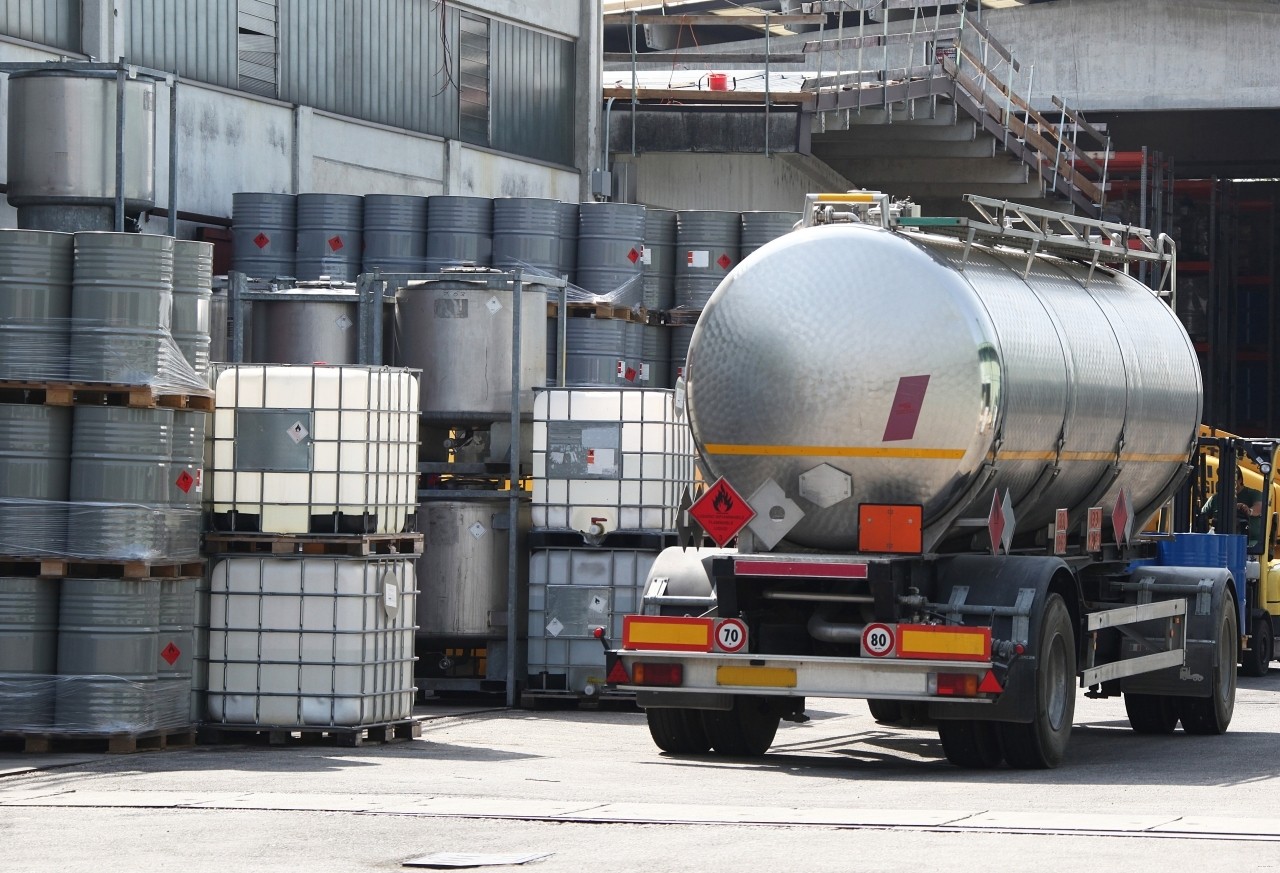
Globalization has revolutionised the way we trade, fundamentally altering the scale and speed at which goods are moved across borders. Yet, among the numerous consignments travelling the world every day, there’s a category that demands an exceptional level of care – the UN Class 9 dangerous goods (DG). These are substances that, when transported, pose a great risk to health, safety, and property.
For businesses engaging in international trade, staying well-versed in United Nations (UN) Class 9 DG shipping regulations isn’t a chore; it’s a necessity.
Introduction to UN Class 9 DG
UN Class 9 DG, also referred to as Miscellaneous Dangerous Goods, involves substances that do not fall under any of the other eight classes, yet still warrant caution due to their hazardous nature. These could range from dry ice (carbon dioxide, solid) and asbestos to depleted uranium and environmental pollutants.
Class 9 DG needs to be handled and transported with a level of care commensurate with their potential risks, ensuring the safety of all personnel involved, as well as the environment. This category holds immense significance in global trade and environmental safety, prompting stringent regulations that all parties involved must adhere to.
Understanding the Class 9 Label
UN Class 9 shipments are indicated by labels bearing an ‘environmentally hazardous substance’ Mark, which portrays a black image on a white background with a red diamond surrounding it. These labels are displayed on transport units and packages, signalling the presence of such DG, allowing people to recognize and manage them correctly.
To identify UN Class 9 DG, start by taking note of the label and cross-check against official lists. If in doubt, refer to the Material Safety Data Sheet (MSDS) or consult with a professional, as mislabeling or failing to identify Class 9 DG can have serious legal and safety repercussions.
Regulations and Compliance
Adherence to regulations is non-negotiable when transporting UN Class 9 DG. The International Air Transport Association (IATA) Dangerous Goods Regulations, the International Maritime Dangerous Goods (IMDG) Code, and the US Department of Transportation (DOT) regulations, to name a few, set out specific requirements for packaging, documentation, and handling.
It is imperative to understand and comply with these regulations to avoid delays and penalties. Failure to comply with legal requirements can result in hefty fines and, more critically, catastrophes that demand a high human and environmental price.
Safety Precautions for Handling UN Class 9 DG
When dealing with Class 9 DG, safety awareness should be ingrained into the company culture. This extends beyond merely following protocol but includes regular training, the availability of personal protective equipment (PPE), and maintaining a safety-first mindset.
Commonly emphasised precautions include:
- Restricting access to authorised personnel
- Proper ventilation in storage areas
- The use of spill kits and containment systems
- Regular safety audits and drills
Develop and constantly update safety protocols specific to Class 9 DG, synchronizing them with broader company emergency response plans.
Safe Transportation Guidelines
Correct packaging and safe transport are crucial steps in the UN Class 9 DG chain. Properly packing these goods in containers specifically designed for dangerous goods, complete with the appropriate labels and a detailed shipping document, ensures a higher degree of safety during transport.
Guidelines for safe transportation include:
- Choosing the right packaging materials
- Stacking and securing cargo within transport vehicles
- Using tracking systems to monitor the movement of hazardous shipments
Remember, transport is often the most vulnerable point in the DG life cycle, so it’s where precautions must be most diligently observed.
Emergency Response Planning
Even with rigorous prevention measures, accidents can still occur. It’s imperative to have a robust emergency response plan in place, which should be tailored to the unique risks associated with Class 9 goods. Every employee involved in the handling or transport of such substances should be familiar with this plan and undergo periodic drills to ensure they can act swiftly and effectively in an emergency.
Key elements of an emergency response plan for UN Class 9 DG include:
- Immediate actions to take in the event of a spill or release
- Notification protocols for relevant agencies and stakeholders
- Coordinated response tactics for the company’s internal emergency response team
Preparing for the worst not only have a safety net in place but also demonstrate accountability in the unavoidable event of an emergency.
Conclusion
Handling UN Class 9 DG requires unwavering diligence and adherence to stringent safety protocols. Each actor in the global supply chain needs to prioritise safety, not only as a means of compliance but as a moral and social obligation. The ramifications of mishandling UN Class 9 DG can be far-reaching, affecting lives and the environment.
Championing a safety-first approach and staying informed about the latest regulations and best practices can ensure that the movement of Class 9 DG is not just efficient but also responsible and safe. Safety is not a box to check; it’s an ongoing commitment that ensures the well-being of all. Prepare, protect, and prioritise – because with dangerous goods, there’s no margin for error.