

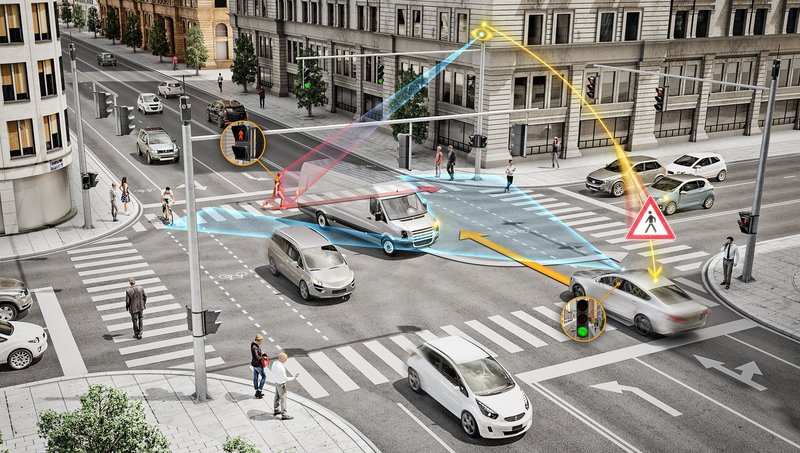
In the age of rapid urbanization, smart cities are emerging as the blueprint for the future, leveraging technology to enhance the quality of life. A critical aspect of these cities is traffic management, where the Internet of Things (IoT) plays a transformative role. Through smart traffic control systems, cities aim to alleviate congestion, reduce emissions, and improve safety, making urban mobility more efficient and sustainable.
The Role of IoT in Traffic Management
IoT technologies are central to the concept of smart cities. They connect various devices and systems, enabling them to communicate and share data. In traffic management, IoT facilitates real-time monitoring and control of traffic flow, using sensors, cameras, and connected vehicles. This data-driven approach allows for dynamic traffic light adjustments, real-time traffic updates, and predictive analytics to anticipate and mitigate congestion.
Smart Traffic Lights and Signals
Smart traffic lights are a prime example of IoT in action. Equipped with sensors and connected to central traffic management systems, these lights can adjust their timing based on real-time traffic conditions. This adaptability helps optimize traffic flow, reducing wait times and minimizing fuel consumption and emissions. For instance, during off-peak hours, traffic lights can remain green longer in less congested areas, while during peak times, they can prioritize busier intersections.
Connected Vehicles and V2X Communication
Vehicle-to-everything (V2X) communication is another critical component of IoT-driven traffic management. Connected vehicles can communicate with each other and with infrastructure, such as traffic lights and road sensors. This connectivity enhances safety by providing drivers with real-time information about traffic conditions, potential hazards, and optimal routes. Moreover, autonomous vehicles, which rely heavily on IoT, can further streamline traffic flow by reducing human error and improving traffic predictability.
Traffic Management in Smart Cities
Capital Traffic Management is a pivotal aspect of smart city initiatives. By integrating IoT technologies, capital cities can implement advanced traffic management systems that address the unique challenges of urban mobility. These systems enable city planners to design more efficient transportation networks, enhancing public transit options and reducing the reliance on private vehicles. The use of IoT in traffic management also supports the development of intelligent parking solutions, which can guide drivers to available parking spaces, reducing the time spent searching for parking and consequently lowering traffic congestion.
Conclusion
IoT is revolutionizing urban mobility through smart traffic control systems, making cities more livable and sustainable. By leveraging real-time data, connected devices, and advanced communication technologies, smart cities can optimize traffic flow, enhance safety, and reduce environmental impact. Capital Traffic Management exemplifies how strategic use of IoT can transform urban transportation, paving the way for a smarter, more efficient future.