

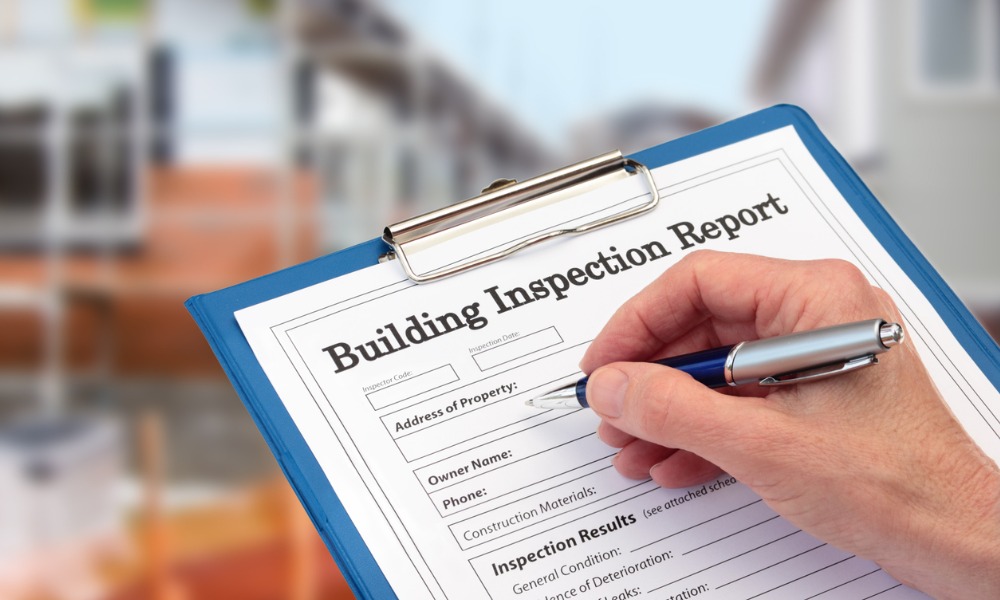
If you’re planning to buy a property or have recently purchased one, chances are you’ve encountered a building inspection report. This seemingly intimidating document is a valuable tool for homeowners, but understanding its contents is a daunting task.
Understanding the purpose
Before diving into the report, it’s essential to comprehend its purpose. A building inspection report is a thorough assessment of a property’s state carried out by an experienced expert. The inspector carefully inspects different aspects of the building, such as its structural soundness, electrical and plumbing systems, insulation, and other components. The objective is to pinpoint any potential problems or areas that need attention or fixing.
Familiarizing yourself with the structure
A typical building inspection report is divided into several sections, each addressing a specific aspect of the property. These sections may include:
- Exterior – This part covers the condition of the roof, walls, windows, doors, and overall exterior structure
- Interior – The interior section evaluates the condition of floors, walls, ceilings, and any visible signs of damage or wear.
- Electrical – This section examines the electrical systems, including the main panel, wiring, outlets, and lighting fixtures.
- Plumbing – The plumbing section assesses the condition of pipes, water heaters, sinks, toilets, and any visible leaks or drainage issues.
- Structural – The structural section examines the foundation, framing, and any visible signs of structural problems or settling. If you are looking for useful information, Check This Out.
Seeking professional advice
While the building inspection report provides valuable insights, it’s essential to seek guidance from professionals when interpreting the findings. Consult with the inspector, contractors, or other experts in the relevant fields to better understand the extent and implications of the identified issues.
For example, if the report highlights structural concerns, consulting a structural engineer provides a more in-depth assessment and recommendations for necessary repairs or reinforcements. If the report identifies electrical or plumbing issues, seeking advice from licensed electricians or plumbers helps you make informed decisions about the required work and associated costs.
Making informed decisions
Armed with a thorough understanding of the building inspection report and professional guidance, you’ll be better equipped to make informed decisions about the property. Consider the following factors:
- Cost of repairs – Evaluate the estimated costs of addressing the identified issues, factoring in both major and minor defects. This information aids in negotiating with the seller or budgeting for future repairs.
- Safety concerns – Prioritize addressing any safety issues highlighted in the report, as these pose potential risks to you and your family.
- Long-term maintenance – Assess the long-term maintenance requirements and associated costs for the property based on the report’s findings.
- Property value – Consider how the identified issues may impact the property’s value and your decision to proceed with the purchase or renegotiate the terms.
A building inspection report is a valuable resource that enables you to make informed decisions regarding your prospective or existing property. By carefully reviewing and understanding its contents, seeking professional advice when needed, and weighing the costs, you confidently navigate the process and make the best choice for you and your family.